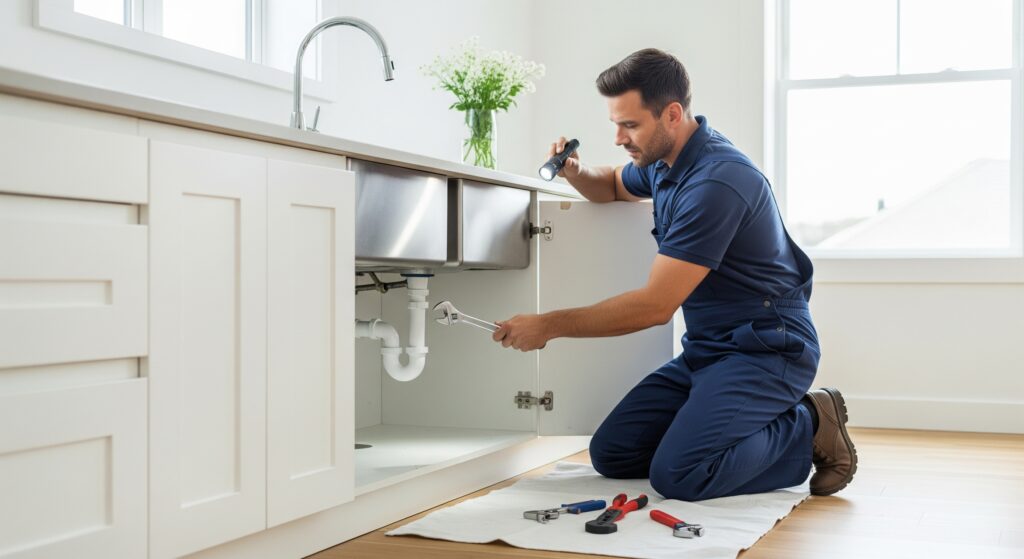
Water leaks in New York City apartments don't always announce themselves with a dripping faucet or a puddle on the floor. In older buildings — the kind that dominate Manhattan's Upper West Side, Brooklyn's brownstone neighborhoods, and prewar co-ops throughout Queens and the Bronx — pipes can silently deteriorate inside walls and ceilings for months before any visible damage appears. Catching a hidden water leak NYC residents often overlook can mean the difference between a simple repair and a costly structural nightmare. At Watson's Plumbing, Heating & Building Services, we've been helping New Yorkers protect their homes since 1996, and early detection is always the smartest first step.
Watch Your Water Bill for Unexplained Spikes
One of the earliest and most reliable indicators of a hidden leak is a sudden, unexplained increase in your monthly water bill. NYC water rates are billed by the Department of Environmental Protection, and even a slow, steady drip inside a wall can add hundreds of gallons of waste to your monthly consumption. If your usage has jumped noticeably without any change in your household habits, that number is telling you something worth investigating. Our team recommends comparing at least three months of billing history before drawing conclusions, but a consistent upward trend is a clear signal to act.
Look for the Physical Signs Hidden in Plain Sight
NYC plumbing leak signs are often subtle, especially in apartments where walls and ceilings bear decades of paint layers. Discoloration, soft spots, bubbling paint, or a faint musty odor in a bathroom, kitchen, or near a radiator connection are all red flags that moisture is accumulating somewhere it shouldn't be. In buildings with cast iron or galvanized steel pipes — common throughout the Bronx and older sections of Brooklyn — corrosion-driven pinhole leaks are a frequent culprit. Pay close attention to areas around shut-off valves, supply lines beneath sinks, and where pipes pass through walls or floors.
Warped baseboards, stained ceiling tiles, or unexplained peeling near a shared wall with a neighbor can also point to water intrusion. In multi-unit NYC buildings, a leak in one apartment routinely migrates and causes damage one or two floors below the actual source, which is why our team always recommends a thorough inspection rather than relying on the visible damage alone. If you're noticing any of these warning signs, scheduling a professional leak detection service early can prevent minor moisture from turning into a major structural problem.
Use Simple Tests to Confirm Your Suspicions
Before calling a plumber, there are a few straightforward checks any NYC tenant or building owner can perform to confirm a water leak detection apartment situation. The most effective is the water meter test: locate your building's meter, record the reading, then avoid using any water for 30 to 60 minutes and check again — any movement in the meter indicates a live leak somewhere in the system. You can also check your toilet by placing a few drops of food coloring in the tank; if color appears in the bowl without flushing, a silent flapper leak is wasting water around the clock. These simple steps can help narrow down the problem before our team arrives, saving time and reducing diagnostic costs.
Know When to Call a Licensed NYC Plumber
DIY detection has real limits, especially in the dense, complex plumbing systems found throughout New York City's high-rise and mid-rise buildings. Behind finished walls, inside pipe chases, and beneath concrete slab floors, leaks can persist entirely out of sight — and standard visual checks simply won't reach them. Our team at Watson's uses professional-grade acoustic listening equipment and thermal imaging technology to pinpoint the exact location of a leak without unnecessary demolition, protecting your walls and your budget. NYC buildings are also subject to Local Law compliance requirements, and any identified leak that affects shared systems or structural integrity may need to be reported to your building's management or the city.
Untreated leaks lead to mold growth, compromised drywall, and damaged personal property — all of which may require professional water damage restoration in addition to plumbing repairs, adding significant cost and disruption to what could have been a straightforward fix. Whether you're a homeowner in Queens, a co-op board member in Manhattan, or managing a rental building in Brooklyn, Watson's Plumbing, Heating & Building Services is ready to help you get ahead of the problem before it gets worse. Call our team today to schedule a professional inspection — we've been the trusted name in NYC plumbing since 1996, and we're here to keep your building dry, safe, and code-compliant.
← Back to all posts